Paint doesn’t last forever…
How long does paint last? It’s a question many Nashville homeowners ask when they open a leftover can from the garage or wonder if that freshly painted living room will keep looking good for years.
Paint is not permanent, and its longevity depends on factors like the type of paint, where it’s applied, and how it’s stored. In a city like Nashville, TN, with its humidity, temperature swings, and seasonal storms, paint often faces bigger challenges than we might expect.
Instead of guessing, it helps to understand the science behind paint, the conditions in which it thrives, and the red flags that show it has gone bad. From acrylic paint to oil paint, and even specialized finishes for brick or stucco, knowing the life expectancy of different products can save you frustration and money in the long run.
Key Takeaways:
- Paint lifespan varies: latex and acrylic last 2–10 years, while oil paint can last up to 15 years.
- Nashville’s humidity and freezing temperatures can shorten paint longevity if cans are stored in garages or sheds.
- Signs of expired paint include sour odor, mold, separation that won’t mix, and rusty cans.
- Proper storage with a sealed lid and controlled temperatures extends paint’s life.
Paint Types and Their Longevity
The question of how long does paint last always starts with the type of product being used. Not all paints are created equal, and each has its strengths and weaknesses.
- Latex paint: Commonly used for walls and ceilings, latex is water-based and usually lasts about 2 to 10 years when stored correctly. It handles moisture fairly well but can suffer in extreme humidity, something Nashville basements know all too well.
- Acrylic paint: Similar to latex but with extra flexibility. Acrylic paint resists cracking and fading, making it popular for exterior siding. With proper care, it also lasts 2 to 10 years.
- Oil paint: Known for its durability and sheen, oil paint can last up to 15 years if sealed tightly and stored in moderate conditions. However, it can be affected by odor buildup and requires primer for better adhesion.
- Milk paint: Often used for specialty projects like kitchen cabinets or furniture. It’s non-toxic but has the shortest shelf life, often lasting only days when mixed fresh or up to 2 years if premade and refrigerated.
The longevity of each paint type comes down to how pigments, water, and binders hold up over time. Nashville’s humidity and occasional freezing temperatures can reduce that lifespan, especially if a can is left unsealed or stored in a garage without temperature control.
How Storage Affects Paint Life
Storage is just as important as the paint itself. Even the best acrylic paint will spoil if neglected.
- Temperature control: Paint stored in areas that regularly swing between freezing winters and humid summers, like a garage or shed will break down quickly. Aim for indoor storage at around 50 to 80 degrees Fahrenheit.
- Proper seal: A can’s lid matters. If it’s not tightly closed, air seeps in and bacteria or mold can form. A compromised lid leads to skinning, clumps, and foul odor.
- Clean tools: Pour paint into trays instead of dipping brushes directly into the can. This prevents bacteria, mildew, or even pigment separation caused by contaminated water.
For many Nashville homeowners, the basement is a better storage option than the garage. Basements hold steadier temperatures and lower exposure to direct sunlight.
Signs Your Paint Has Expired
If you’re still wondering how long does paint last, the real test comes when you open the can. Here are the common signs that it’s time to toss it:
- Chunky or lumpy texture. Paint should be smooth. Cottage-cheese-like clumps mean the binders have broken down.
- Sour odor. Expired paint has a smell closer to spoiled food than the sharp scent of new paint.
- Separation that won’t mix. Some pigment separation is normal, but if stirring doesn’t restore the color, the paint is too far gone.
- Mildew or mold growth. Black or green spots inside the can show contamination, often from humidity or poor sealing.
- Rusty or corroded can. If the container itself has deteriorated, chances are the contents have too.
Where Paint Breaks Down the Fastest
The lifespan of paint isn’t just about the can. Once it’s applied to surfaces, Nashville weather puts it to the test.
- Brick exteriors: Brick breathes, which makes paint adhesion tricky. Without the right primer and paint sheen, peeling happens faster.
- Stucco: Moisture from heavy rain or humidity can cause paint on stucco to blister or grow mildew.
- Wood siding or trim: Expands and contracts with temperature, so oil paint or acrylic paint with strong adhesion is needed for longevity.
- Basements and garages: These areas deal with mildew, bacteria, and freezing temperatures, so paint applied here often has a shorter lifespan.
This is why choosing the right product upfront is critical. For help understanding the finishes that hold up best outside, see exterior paint types.
How Long Does Paint Last Indoors vs Outdoors?
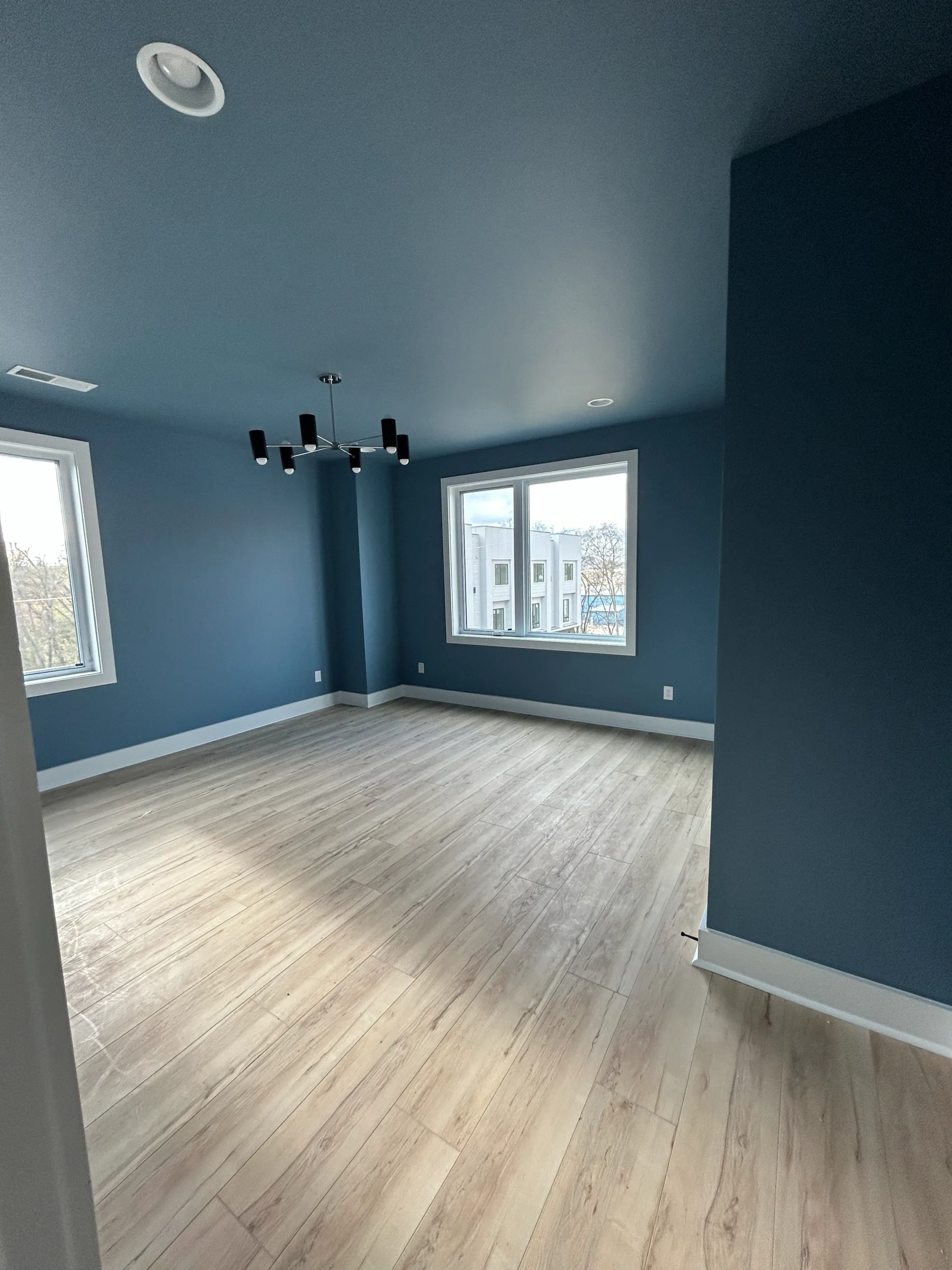
Indoors, paint faces less abuse, but it’s not immune. A living room wall painted with latex can hold up for a decade, while a bathroom painted without mildew-resistant pigment may need repainting in just a few years. Kitchens are especially tough because of odor, grease, and water exposure.
Outdoors, paint longevity shrinks under Nashville’s heavy sun, summer humidity, and winter cold snaps. Latex or acrylic paint may only hold strong for 5 to 7 years outside, while oil paint can stretch up to 10 years if properly maintained.
Preventing Paint Waste
If you’re buying new paint, focus on quality storage and correct application to extend its life. A few points matter most:
- Always apply primer when recommended, especially on porous surfaces like brick or wood.
- Choose the right paint sheen—eggshell for walls, satin or gloss for trim—for better longevity.
- Pay attention to room conditions like humidity in basements or kitchens.
- Don’t let leftover paint sit unused for years in the garage. Proper sealing and temperature control make a big difference.
Mistakes in storage and application are why many homeowners run into problems. If you want to avoid the frustration, take a look at common painting mistakes to learn more about what shortens the life of a paint job.
Connecting Longevity to Professional Painting
At the end of the day, paint longevity is about more than what’s inside the can. It’s also about how carefully it’s applied and where. Professional painters know how to handle primer, pigment, and the right type of paint for Nashville’s climate. From kitchen cabinet refinishing to exterior residential painting, the right preparation and attention extend the life of every coat.
If you’re still asking how long does paint last, the answer is: long enough if it’s handled correctly, but shorter than expected if it’s not. That’s where working with expert painters in Nashville, TN makes all the difference.
Protecting Your Home With Lasting Paint in Nashville, TN
Paint is an investment in both beauty and protection. Knowing how long does paint last depends on the type of paint, where it’s applied, and how it’s stored. Latex and acrylic may last up to a decade, oil paint even longer, but poor conditions like humidity, freezing, or mold can cut that lifespan in half.
The best way to secure paint longevity is to use the right product, apply it correctly, and rely on professionals who understand Nashville’s climate.
Here’s how Marlin Painting & Remodeling helps homeowners get it right:
- Careful prep and cleaning of every surface.
- Using the right primer for wood, brick, stucco, or concrete.
- Matching paint sheen and color to each room and surface.
- Applying even coats with attention to adhesion and durability.
- Finishing with expert cleanup and storage guidance.
Protect your home, reduce repainting costs, and get long-lasting results.
Call Marlin Painting & Remodeling today at 615-552-7680 for a FREE estimate in Nashville, TN and surrounding areas.